


UN/CTCN: Solar Powered Irrigation Systems
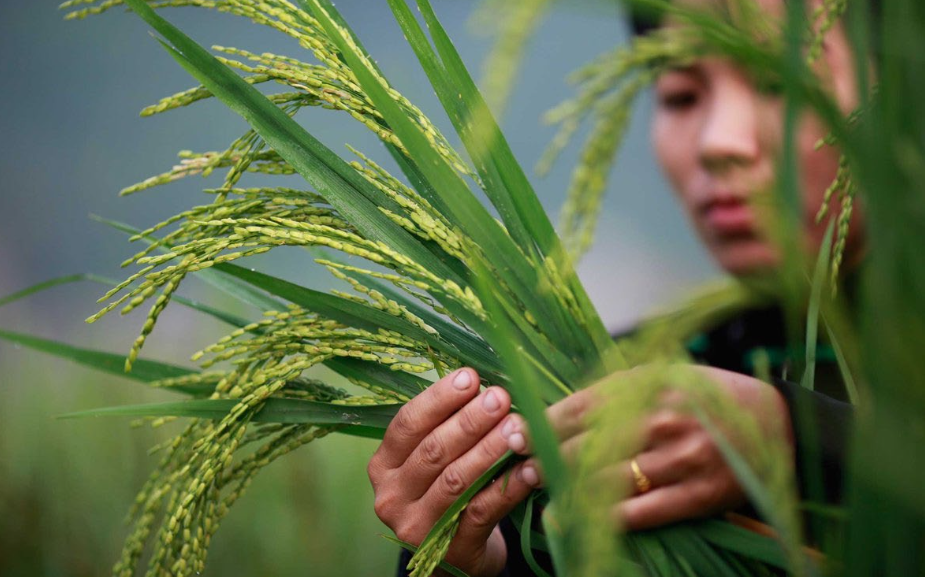
Technical Assistance for Upscaling Lowland Rice Production to Improve Food Security through Improved Solar Powered Irrigation Practices
Agriculture in Liberia is predominantly rain-fed, with heavy dependence on consistent rainfall, yet climate change is posing serious challenges to all sectors and is threatening the sustainability of agricultural production in the country. In response, the Government of Liberia is investigating the adoption of Solar Powered Irrigation Systems (SPIS) and a System of Rice Intensification (SRI), to increase rice yields in the country whilst lowering water usage by applying crop-targeted drip irrigation, thereby ensuring sustainable use of the limited available surface and groundwater resources.
The main objective of the Technical Assistance (TA) is to introduce solar-powered irrigation technology and practices to intensify rice cultivation and production in one lowland county in Liberia, to be selected between Lofa and Bong, with the intention of upscaling the technology as an adaptation measure to climate change at a national level.

Services Provided Include:
The TA is divided into six main outcomes, as follows:
• Analyse the current irrigation and rice cultivation practices in one county of Liberia
• Design appropriate irrigation and solar water pumping technologies for SRI-based farming in the county
• Select appropriate SPIS technology
• Pilot a small-scale implementation of the solar pumping system in the selected county of Liberia
• Elaborate and disseminate training materials and workshops
• Formulate an enabling environment roadmap and M&E framework.
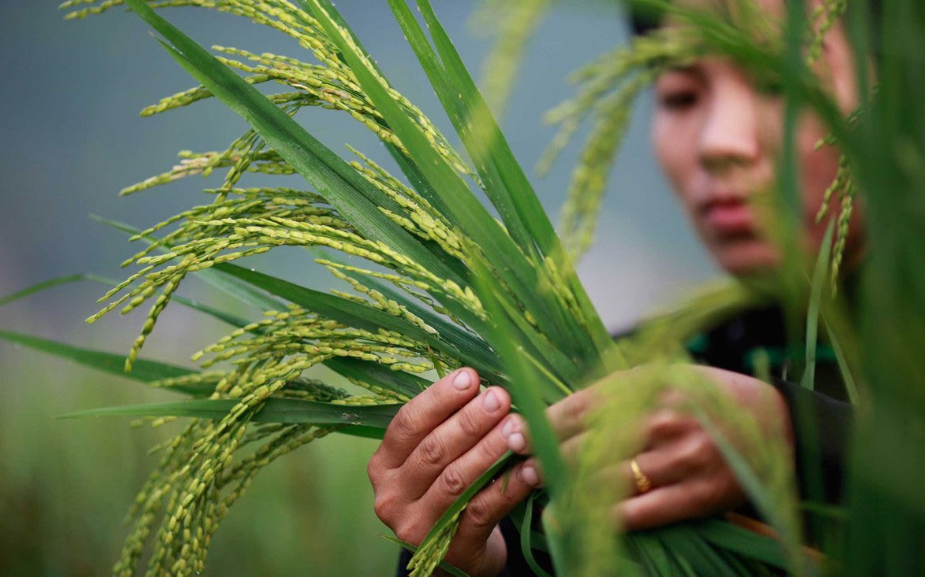
In association with INTEGRATION environment & energy for the solar and pumping system design, CARES provided the Team Leader and expertise in water resources and irrigation for agriculture; rice production and SRI, gender, and communications, as well as all logistics, support, and backstopping in-country. A Stakeholder Working Group was established with representatives including vulnerable groups and women to make decisions on the design of the SPIS and ensure that these align with Liberian strategic priorities.